Roleplaying Wordart Sublimation: A Strategic Tool for Creative Expression and Branding
Roleplaying Wordart Sublimation is more than just a visual design trend; it’s a powerful method for transforming abstract ideas into tangible, expressive art. This unique form of wordcloud design combines creativity with strategic intent, making it an essential tool for professionals and hobbyists alike. Whether you're looking to enhance your brand identity or add a personal touch to your projects, Roleplaying Wordart Sublimation offers a versatile platform for innovation and impact.
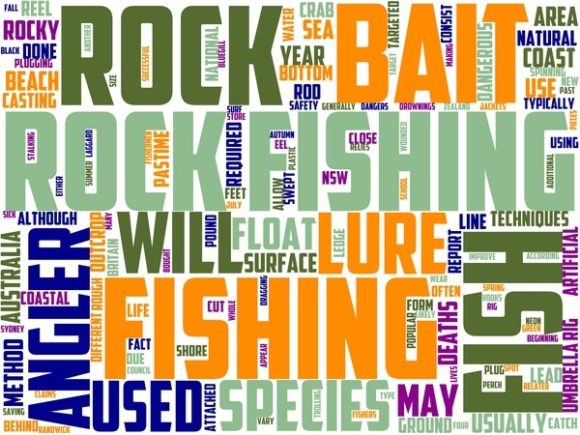
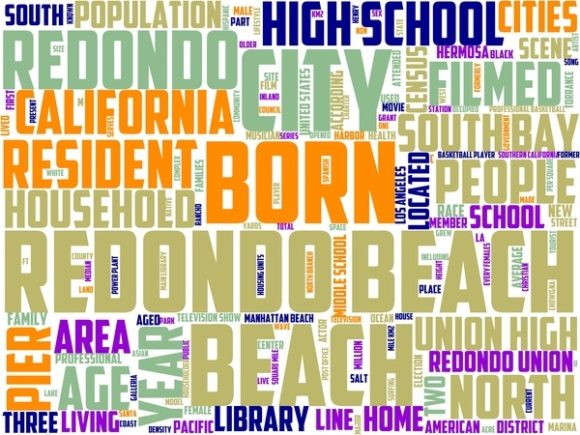
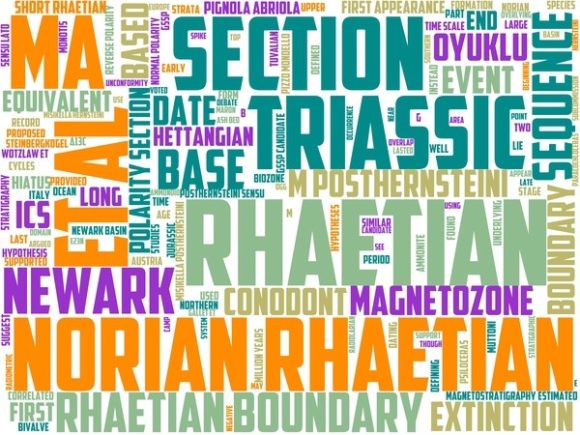
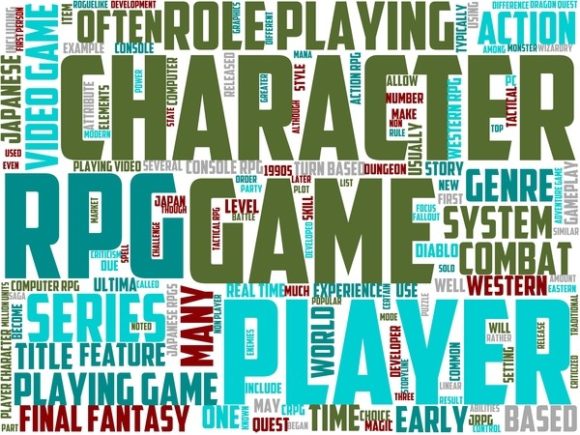
At its core, Roleplaying Wordart Sublimation involves creating hand-drawn, colorful wordclouds that reflect specific themes, moods, or messages. These designs can be applied across a wide range of mediums, from clothing and posters to digital content and packaging. The result is a visually striking representation of ideas that can resonate deeply with audiences, making it a valuable asset in both creative and commercial contexts.
Strategic Value of Roleplaying Wordart Sublimation
For entrepreneurs and marketers, Roleplaying Wordart Sublimation provides a fresh way to communicate brand values and engage customers. By embedding key messages within visually appealing wordclouds, businesses can create a stronger emotional connection with their audience. This approach supports long-term branding efforts by reinforcing brand identity through consistent, meaningful visual elements.
Creators and educators can also benefit from this technique. In educational settings, Roleplaying Wordart Sublimation can help students visualize complex concepts, making learning more engaging and memorable. For artists, it offers a new medium for storytelling, allowing them to convey narratives through color, shape, and typography.
From a productivity standpoint, the process of designing a Roleplaying Wordart Sublimation encourages focused thinking and intentionality. It requires careful selection of words, colors, and layouts, which can lead to improved decision-making and better outcomes in creative projects. This structured approach helps users avoid random or superficial applications of the design, ensuring that each piece serves a clear purpose.
When to Use Roleplaying Wordart Sublimation
The right time to use Roleplaying Wordart Sublimation depends on your goals and the context of your project. If you’re launching a new product or campaign, consider integrating a custom wordcloud to reinforce your message and create a memorable visual identity. For example, a wellness brand might use a wordcloud featuring terms like “relax,” “heal,” and “balance” to evoke a sense of calm and well-being.
In promotional materials such as flyers, stickers, or business cards, Roleplaying Wordart Sublimation can serve as a focal point that draws attention and conveys your brand’s personality. It’s especially effective when used in conjunction with other design elements, as it adds depth and character to the overall composition.
For personal projects, such as journaling or scrapbooking, Roleplaying Wordart Sublimation can be a fun and meaningful way to express thoughts and emotions. It allows individuals to transform their inner world into a visual narrative, making it a valuable tool for self-expression and reflection.
How to Approach Roleplaying Wordart Sublimation
Before diving into the design process, it’s important to define your objectives. Ask yourself: What message do I want to convey? Who is my target audience? What tone should the design have? These questions will guide your choices and ensure that your final product aligns with your goals.
Start by brainstorming a list of relevant words or phrases that represent your theme. Consider the emotional impact of each term and how they might interact visually. Next, choose a color palette that reflects the mood you want to create. Warm tones like red and orange can evoke energy and passion, while cool tones like blue and green suggest calm and professionalism.
Once you have a rough concept, experiment with different layouts and styles. Hand-drawn elements add a personal touch, while digital tools can help refine details and ensure consistency. Don’t be afraid to iterate—each version brings you closer to a design that truly resonates with your vision.
What to Consider Before Relying on Roleplaying Wordart Sublimation
While Roleplaying Wordart Sublimation is a powerful tool, it’s not a one-size-fits-all solution. Before using it, consider the context in which it will be displayed. A highly detailed wordcloud may work well on a poster but could appear cluttered on a small business card. Similarly, the cultural or emotional associations of certain words may vary, so it’s important to understand your audience’s perspective.
Another factor to consider is scalability. If you plan to use the design across multiple platforms, ensure that it remains legible and impactful in different sizes and formats. High-resolution versions are essential for print, while optimized files are necessary for digital use.
Finally, think about the long-term value of the design. Will it remain relevant over time, or does it need frequent updates? A well-crafted Roleplaying Wordart Sublimation should be adaptable enough to evolve with your brand or project without losing its core identity.
Practical Examples and Strategic Observations
Consider a small business owner who wants to promote a new line of eco-friendly products. By creating a Roleplaying Wordart Sublimation featuring words like “sustainable,” “green,” and “earth,” they can visually reinforce their commitment to environmental responsibility. This design can then be used on packaging, social media posts, and in-store displays to create a cohesive brand experience.
For a nonprofit organization focused on education, a wordcloud highlighting terms like “knowledge,” “opportunity,” and “growth” could be used in fundraising campaigns and awareness initiatives. The visual appeal of the design helps capture attention, while the strategic choice of words reinforces the organization’s mission.
In the realm of personal development, a coach might use a Roleplaying Wordart Sublimation to illustrate key principles of success. Words like “discipline,” “focus,” and “resilience” can be arranged in a dynamic layout that serves as both a motivational tool and a conversation starter.
Risks of Using Roleplaying Wordart Sublimation Without Clarity
Without a clear purpose, Roleplaying Wordart Sublimation can become a distraction rather than a benefit. Overloading a design with too many words or conflicting colors can dilute its message and confuse the audience. Similarly, using the design inappropriately—such as in a formal setting where simplicity is preferred—can undermine its effectiveness.
Another risk is the potential for misinterpretation. Words that carry different meanings in various cultures or contexts may be misunderstood, leading to unintended consequences. It’s crucial to research and test your design with a diverse audience to ensure it communicates the intended message.
Finally, relying on Roleplaying Wordart Sublimation without a deeper understanding of its strategic value can lead to superficial use. It’s important to view it as part of a broader creative or marketing strategy rather than a standalone solution.
Intentional Use of Roleplaying Wordart Sublimation
To use Roleplaying Wordart Sublimation intentionally, start by aligning it with your broader goals. Whether you’re building a brand, communicating a message, or enhancing a product, the design should serve a clear function. This requires thoughtful planning, experimentation, and refinement.
Consider the role of the design in the overall user experience. Does it enhance the message, or does it distract? Is it consistent with your brand’s identity? By answering these questions, you can ensure that your Roleplaying Wordart Sublimation adds value rather than noise.
Ultimately, the success of Roleplaying Wordart Sublimation lies in its ability to connect ideas with emotion and meaning. When used with intention and care, it becomes more than just a visual element—it becomes a statement, a tool, and a reflection of your vision.